Get Gas Line Relocation
Gas line relocation services help property owners move or update gas lines safely for renovations, new constructions, or property improvements by connecting with experienced local contractors.
If you’re considering relocating a gas line on your property, you’ve come to the right place. Many property owners in the area explore gas line relocation for various practical reasons, such as making way for renovations, improving outdoor layouts, or ensuring safety and compliance with new construction plans. Planning these projects carefully is essential, and comparing local contractors can help you find the right support for your specific needs. Whether the job involves minor adjustments or more extensive rerouting, understanding your options is a key step in moving forward confidently.
Local contractors specializing in gas line services are equipped to handle a range of project sizes and complexities. They can provide the expertise needed to assess your property, plan the relocation, and execute the work efficiently and safely. Keep reading to discover how connecting with experienced service providers can help you navigate the process smoothly, ensuring your project aligns with your property goals and local regulations.
- Gas Line Relocation - needed when upgrading or expanding a property that requires rerouting existing gas lines.
- Property Renovation - required during major renovations that involve changing the layout or structure of a building.
- New Construction - necessary when installing gas lines for new residential or commercial developments.
- Emergency Repairs - needed to address gas line leaks or damages that pose safety concerns.
- Code Compliance Updates - required to bring existing gas line setups up to current safety and building standards.
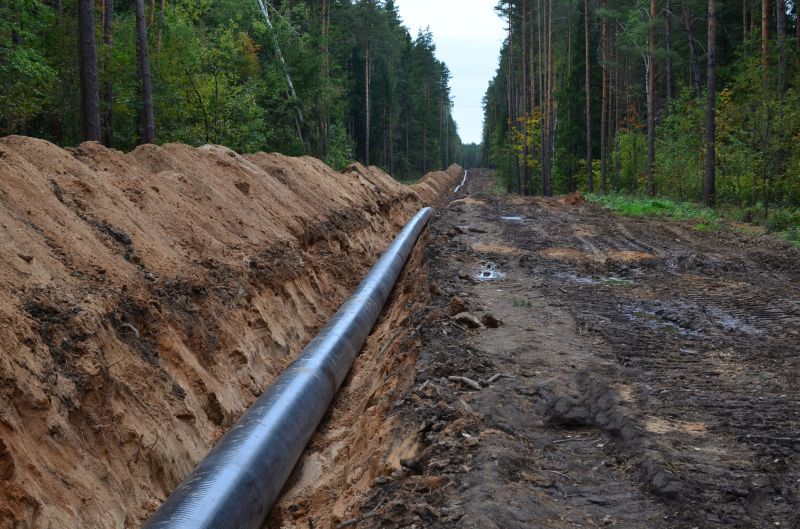
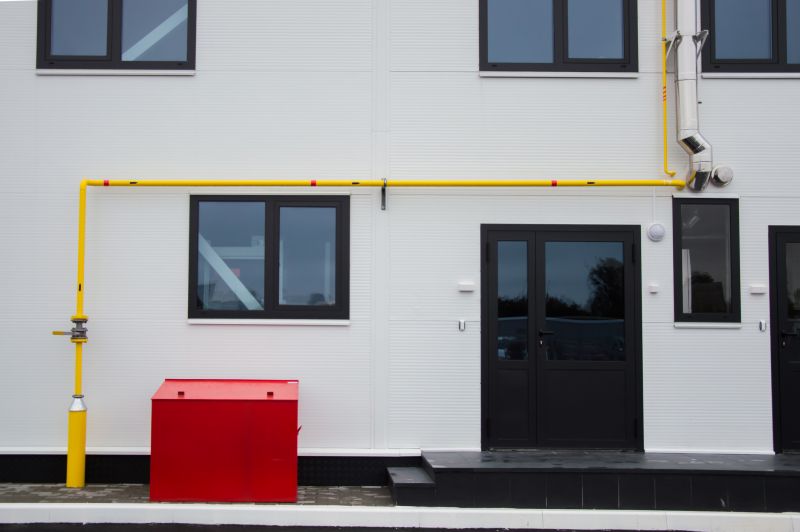
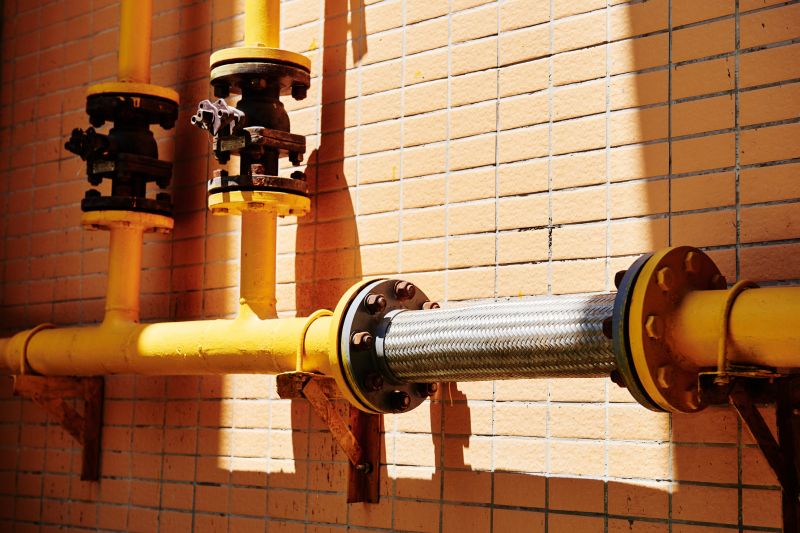
Gas line relocation services involve the careful process of moving existing natural gas pipelines to new locations on a property. This work often requires excavation, precise planning, and coordination to ensure the gas lines are safely rerouted without disrupting service. Skilled service providers evaluate the current gas line setup, determine the best new route, and handle all aspects of the relocation to meet safety standards and local regulations. This service is essential when property improvements, such as home expansions, garage additions, or landscaping projects, require the gas lines to be moved out of the way.
Relocating a gas line can help solve several common property problems. For example, if a new driveway, patio, or foundation is planned where an existing gas line runs, moving the pipe prevents future conflicts or safety hazards. It also addresses issues related to aging or damaged gas lines that may need to be rerouted for safety or code compliance. Additionally, gas line relocation can be part of larger renovation projects, ensuring that the gas infrastructure aligns with new property layouts and design plans, reducing the risk of leaks or service interruptions.
Properties that typically require gas line relocation include residential homes undergoing major renovations, new construction projects, or property expansions. Older homes with outdated piping may also need rerouting to meet current safety standards or to accommodate new appliances. Commercial properties, such as restaurants or industrial facilities, may need gas line adjustments when expanding or reconfiguring their space. In all cases, experienced local contractors handle the work, ensuring that the gas lines are properly rerouted to support the property's current and future needs.
Homeowners considering a remodel, addition, or landscape overhaul should be aware that gas line relocation might be necessary to safely continue their projects. When planning any work that involves digging or structural changes near existing gas lines, consulting with qualified service providers can help prevent costly delays or safety issues. Connecting with local contractors who specialize in gas line services ensures that the work is performed correctly and efficiently, providing peace of mind throughout the project.
The overview below groups typical Gas Line Relocation projects into broad ranges so you can see how smaller, mid-sized, and larger jobs often compare in your area.
In many markets, a large share of routine jobs stays in the lower and middle ranges, while only a smaller percentage of projects moves into the highest bands when the work is more complex or site conditions are harder than average.
Smaller Repairs - Typical costs for minor gas line relocations often range from $250-$600. Many routine jobs fall within this range, covering tasks like rerouting small sections or making adjustments. Larger or more complex projects can exceed this range, depending on the scope.
Moderate Projects - Medium-scale gas line relocations usually cost between $600-$2,000. These projects might involve longer reroutes or working around existing structures, with most jobs falling into this middle range. Fewer projects reach into the higher end of this spectrum.
Large-Scale Relocations - Extensive gas line moves could range from $2,000-$5,000 or more. Such jobs often involve significant excavation, new trenching, or complex rerouting, which increases costs. Many service providers handle projects within this range, though some larger jobs can be more expensive.
Full Replacement - Complete gas line replacements typically start around $3,000 and can go beyond $7,000 for very extensive work. These projects are less common but necessary for aging or severely damaged lines, with costs varying based on the length and complexity of the replacement. Local contractors can provide estimates based on specific project details.
Actual totals will depend on details like access to the work area, the scope of the project, and the materials selected, so use these as general starting points rather than exact figures.
Underground Utility Installation - local contractors skilled in installing and relocating underground utilities can handle gas line adjustments along with other services like water and electrical lines.
Excavation and Site Preparation - professionals experienced in excavation work are essential for safely digging and preparing sites for gas line rerouting projects.
Piping and Plumbing Services - experts in piping installation and repair have the skills needed to manage gas line modifications as part of broader plumbing work.
Foundation and Structural Work - contractors who perform foundation and structural modifications often work on projects requiring gas line rerouting during building renovations.
Permitting and Planning Assistance - local service providers familiar with local codes can assist with planning and obtaining necessary permits for gas line relocations.
Trenching and Backfilling - specialists in trenching and backfilling ensure proper installation and safety when relocating underground gas lines.
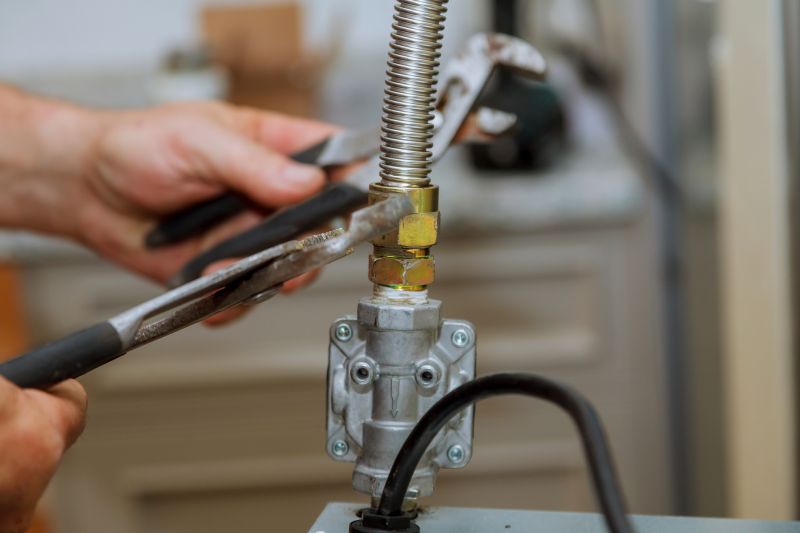
When comparing service providers for gas line relocation, it’s important to consider their experience with similar projects. Homeowners should inquire about how many gas line relocations a contractor has completed and whether they have encountered projects comparable in scope and complexity. An experienced contractor will be familiar with the common challenges of such work and can provide insights into the best practices for ensuring safety and proper installation. This background can help ensure that the chosen professional has a proven track record of handling projects similar to the homeowner’s needs.
Clear written expectations are essential when evaluating local contractors. Homeowners should seek detailed estimates that outline the scope of work, materials to be used, and any specific steps involved in the gas line relocation process. Having this information in writing helps prevent misunderstandings and provides a basis for comparing different service providers. Clear communication about project details also allows homeowners to assess whether the contractor’s approach aligns with their expectations and requirements.
Reputable references and good communication are key indicators of a reliable service provider. Homeowners are encouraged to ask for references from previous clients who had similar work done and to follow up with those references to learn about their experiences. Additionally, responsive and transparent communication during the inquiry process can reveal how well a contractor listens and addresses questions or concerns. While this site introduces homeowners to local options, it does not perform the work itself; it helps connect individuals with qualified service providers who can handle the job professionally.
Property owners use Gas Line Relocation services for practical projects around their homes and businesses. This guide focuses on everyday jobs and straightforward project options.
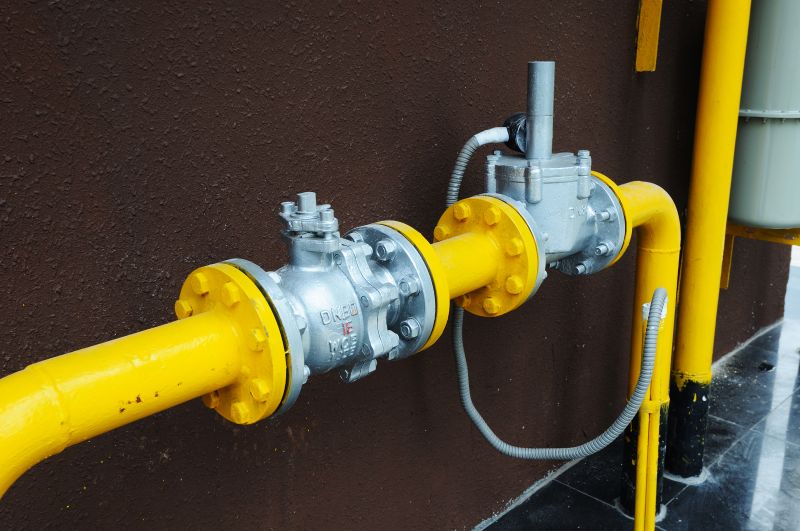
Gas line relocation services are often needed when property owners are making changes to their outdoor spaces, such as installing new decks, fences, or landscaping features that interfere with existing gas lines. Additionally, homeowners or business owners might require the repositioning of gas lines to accommodate renovations, add new appliances, or improve safety and accessibility around their property. Local contractors experienced in gas line work can handle these adjustments efficiently, ensuring that the new layout meets safety standards and fits the property's evolving needs.
In other cases, property owners may discover that existing gas lines are in the way of planned construction or utility upgrades. Moving gas lines can also be necessary if there are concerns about aging infrastructure or damage from nearby excavation work. Local service providers can assess the situation and provide the necessary relocation work to help keep properties functional and compliant with local regulations. These professionals are equipped to manage the logistics of gas line adjustments, making it easier for property owners to proceed with their projects smoothly.
Why might I need to relocate a gas line? Gas line relocation may be necessary for home renovations, additions, or to improve safety and accessibility around the property.
What should I consider before moving a gas line? It's important to evaluate the layout of your property, existing gas connections, and consult with local contractors to ensure proper planning and compliance.
Are there specific permits required for gas line relocation? Permit requirements vary by location; local service providers can advise on the necessary approvals for your area.
How do local contractors ensure safety during gas line relocation? Experienced service providers follow proper procedures, use appropriate materials, and adhere to safety standards to minimize risks.
Can I compare different service providers for gas line relocation? Yes, this website helps connect with local contractors so you can compare options and find the right professional for your project.
Property Renovations - Relocating a gas line can facilitate kitchen or bathroom remodels by ensuring safe and proper placement of appliances.
Outdoor Improvements - Moving a gas line may be necessary when adding a new patio, outdoor kitchen, or fire feature that requires gas access.
Garage or Workshop Setup - Relocating gas lines can support the installation of new heating systems or appliances in garages or workshops.
Landscaping Projects - Adjusting gas lines can enable the creation of new landscaping features, such as built-in grills or fire pits, without compromising safety.
If you are thinking about Gas Line Relocation for a property, this guide is meant to help you understand the work, the typical project types, and how different options might fit your plans.
When you are ready, you can use the quote form on this page to share a few details about your project. From there, local pros can review the basics and respond with options that match what you have in mind.