Propane Line Repair in Denver, CO
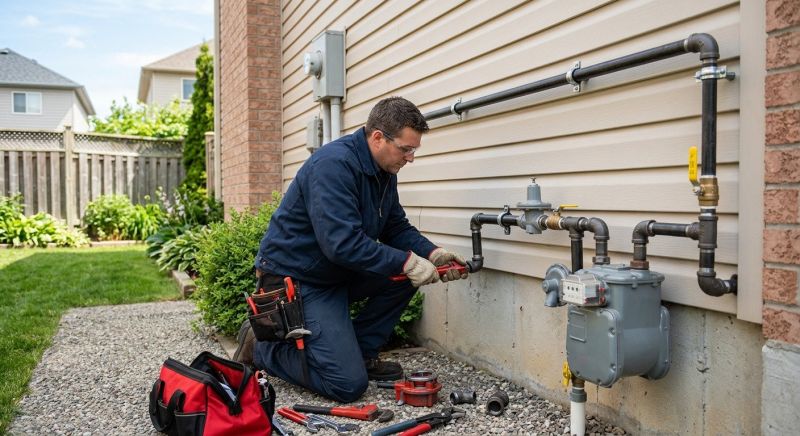
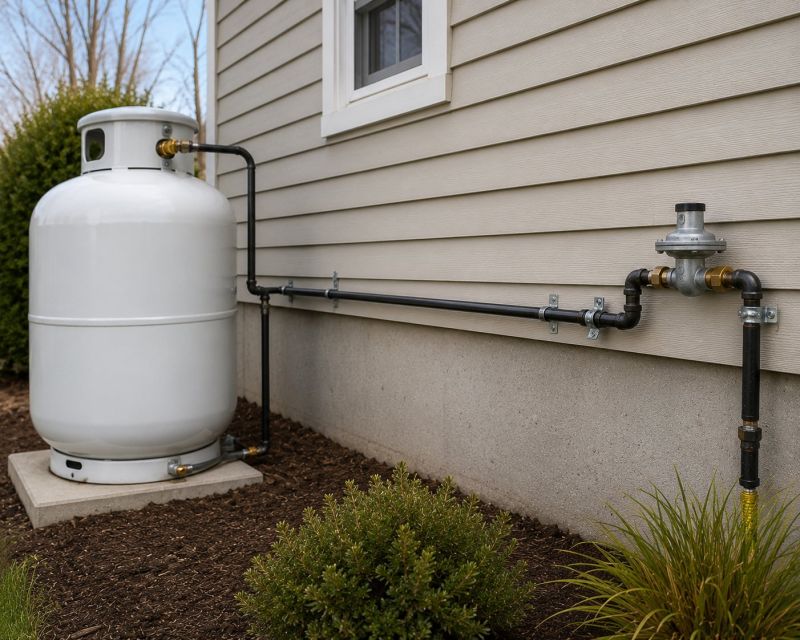
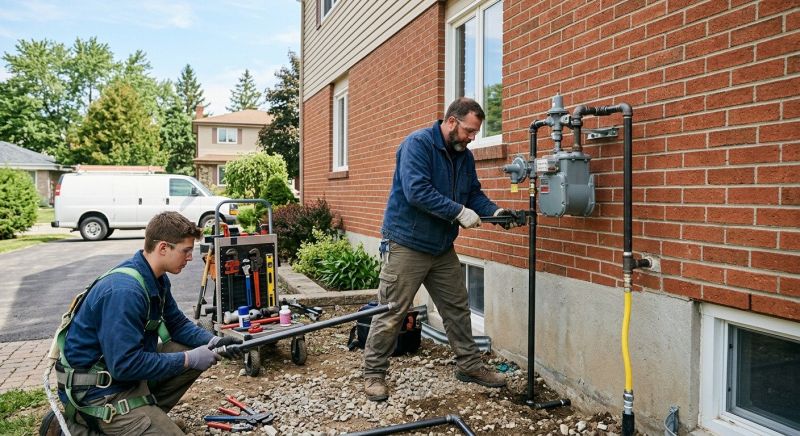
Propane line repair services involve inspecting, maintaining, and restoring propane piping systems that supply fuel for appliances such as stoves, water heaters, and outdoor grills. These projects typically include fixing leaks, replacing damaged sections of pipe, or upgrading existing lines to meet safety standards. Homeowners considering propane line repairs should understand the importance of addressing issues promptly to prevent potential safety hazards and ensure reliable fuel delivery for their household needs.
Before requesting propane line repair services, property owners often want to know about the scope of work involved, the signs indicating a problem (such as hissing sounds, reduced appliance performance, or the smell of gas), and any necessary preparations for the repair process. Clear communication about the condition of the existing piping and any recent changes or concerns can help facilitate efficient service and ensure the propane system functions safely and effectively.
Many property owners in Denver, CO look into Propane Line Repair for repairs, replacements, upgrades, and appearance-related improvements.
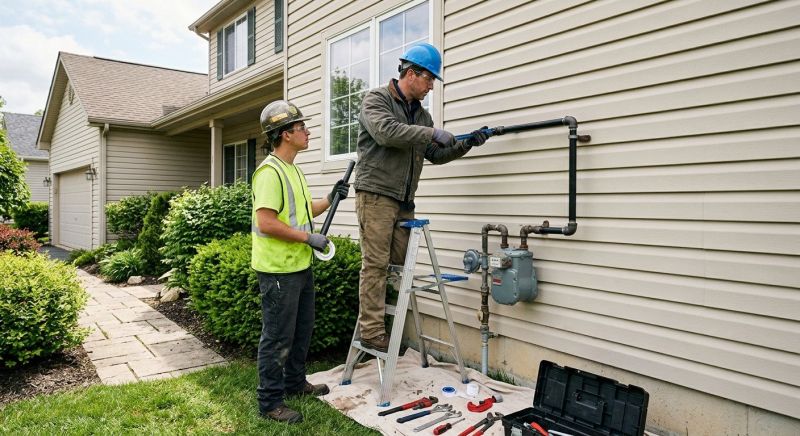
Signs Of Propane Line Issues
Faint odors or inconsistent gas flow may indicate a propane line problem.
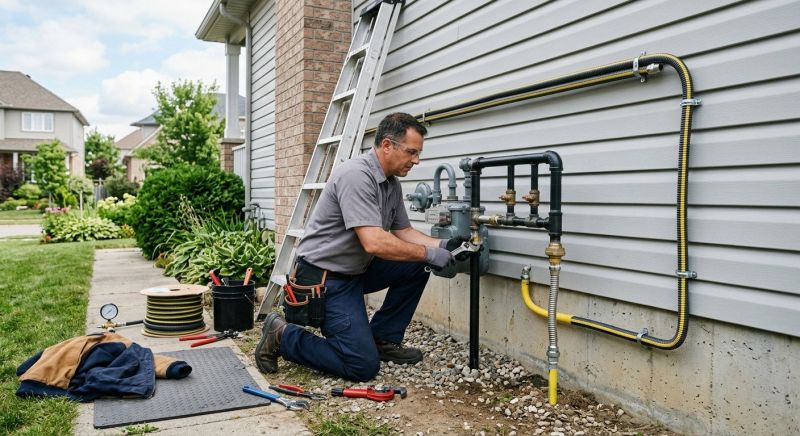
Common Repair Needs
Leaks, corrosion, and damaged fittings are typical reasons for propane line repairs.
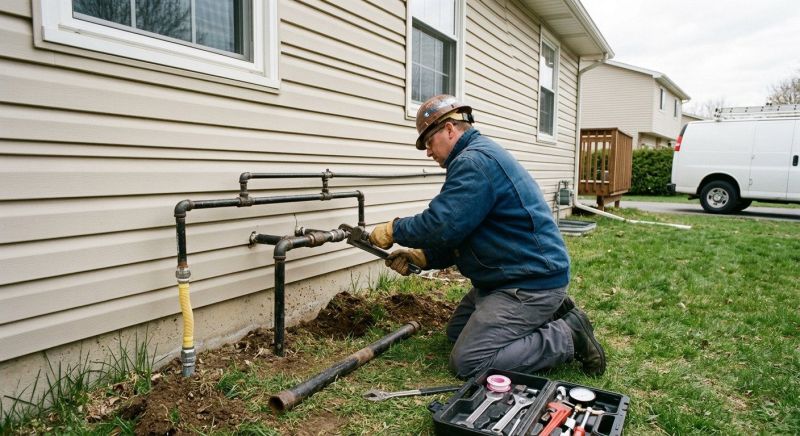
Safety Considerations
Proper maintenance and timely repairs help prevent hazardous situations in denver homes and businesses.
Propane Line Repair in Denver, CO

Propane line repair services involve inspecting, maintaining, and restoring propane piping systems that supply fuel for appliances such as stoves, water heaters, and outdoor grills. These projects typically include fixing leaks, replacing damaged sections of pipe, or upgrading existing lines to meet safety standards. Homeowners considering propane line repairs should understand the importance of addressing issues promptly to prevent potential safety hazards and ensure reliable fuel delivery for their household needs.
Before requesting propane line repair services, property owners often want to know about the scope of work involved, the signs indicating a problem (such as hissing sounds, reduced appliance performance, or the smell of gas), and any necessary preparations for the repair process. Clear communication about the condition of the existing piping and any recent changes or concerns can help facilitate efficient service and ensure the propane system functions safely and effectively.
Many property owners in Denver, CO look into Propane Line Repair for repairs, replacements, upgrades, and appearance-related improvements.
Common Propane Line Repair Jobs
Propane Line Repair - addresses leaks and damage in propane supply lines for safety and efficiency.
Leak Detection - identifies and locates propane leaks to prevent hazards and ensure proper system operation.
Line Replacement - replaces aged or damaged propane lines to maintain reliable fuel delivery.
Corrosion Repair - restores damaged or corroded propane piping to prevent potential leaks and failures.
Pressure Testing - verifies the integrity of propane lines after repair or installation for safe operation.
System Inspection - checks the entire propane line system for leaks, corrosion, and proper function.
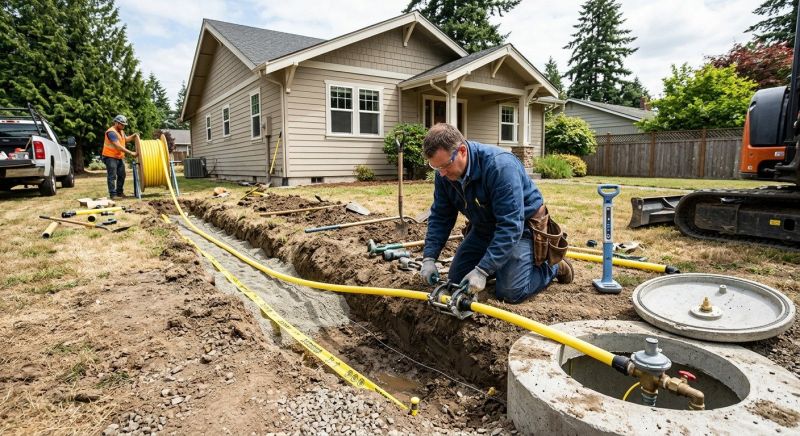
Propane Line Repair Questions
What are common signs of propane line issues? Signs include hissing sounds, gas odors, or decreased appliance performance, indicating possible leaks or blockages.
Is professional repair necessary for propane line problems? Yes, repairs should be performed by qualified technicians to ensure safety and proper function.
What types of propane line repairs are typically requested? Repairs often involve fixing leaks, replacing damaged sections, or upgrading old piping systems.
Why should property owners address propane line issues promptly? Quick attention helps prevent potential hazards and ensures continued safe operation of propane appliances.
Request Propane Line Repair in Denver, CO
Use the quote form on this page to share the basics of your project and request more information for the type of work you need.